

The Importance of an Air Pollution Map in Modern Environmental Monitoring
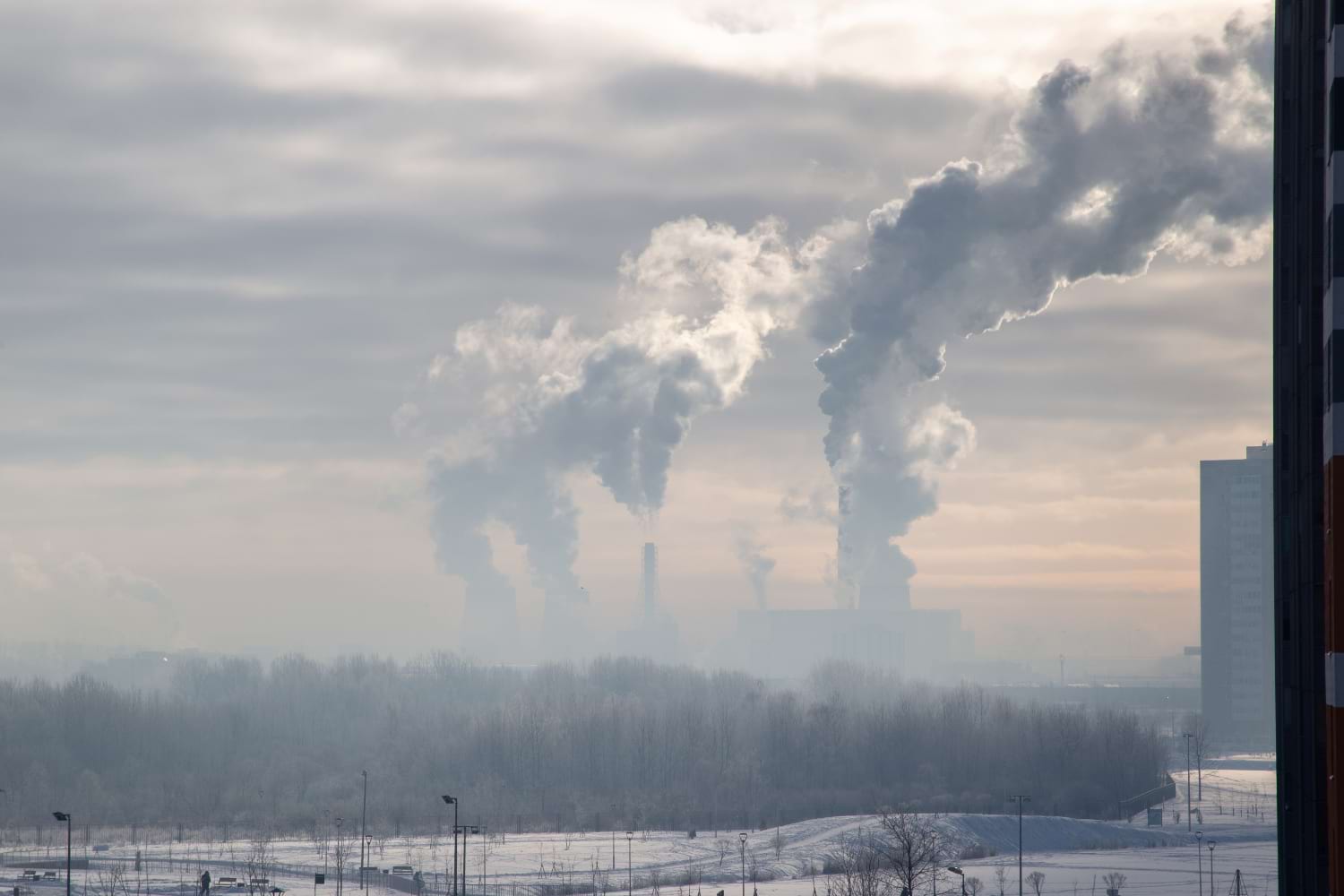
March 28, 2025Air pollution has become one of the most pressing environmental challenges, affecting both human health and the planet. The presence of harmful substances in the air, such as fine particulate matter (PM2.5 and PM10), nitrogen oxides (NOx), sulfur dioxide (SO2), and volatile organic compounds (VOCs), leads to serious health conditions, including respiratory diseases, cardiovascular problems, and even premature death.
To effectively combat pollution, it is necessary to identify where it originates and how it spreads. This is where an air pollution map plays a crucial role. By providing real-time data on air quality, such a map allows individuals, researchers, and policymakers to take necessary precautions, reduce exposure, and implement regulations that can help improve overall air quality.
How an Air Pollution Map Works
An air pollution map functions by collecting data from various monitoring stations, satellites, and sensors placed in different locations. These data points are then analyzed and visualized on a digital map, displaying pollution levels in different regions. Advanced technologies, such as artificial intelligence and machine learning, enhance the accuracy of predictions and provide real-time insights into air quality fluctuations.
One of the most valuable aspects of an air pollution map is its ability to display dynamic changes in air quality. This allows people to track pollution trends, recognize seasonal patterns, and identify high-risk areas. Additionally, integrating weather forecasts helps predict pollution dispersion, enabling governments and organizations to take preventive measures in case of hazardous conditions.
The Role of an Air Pollution Map in Public Health
The impact of air pollution on public health cannot be overstated. Prolonged exposure to poor air quality contributes to a range of health issues, particularly among vulnerable populations such as children, the elderly, and individuals with pre-existing conditions like asthma or chronic obstructive pulmonary disease (COPD). By utilizing an air pollution map, healthcare providers and citizens can make informed decisions to minimize exposure.
For instance, individuals who suffer from respiratory conditions can check real-time air quality levels before stepping outside. Schools and workplaces can adjust schedules or implement indoor air filtration systems when pollution levels are dangerously high. In extreme cases, governments may issue advisories, urging residents to wear protective masks or avoid outdoor activities.
Environmental Benefits of Using an Air Pollution Map
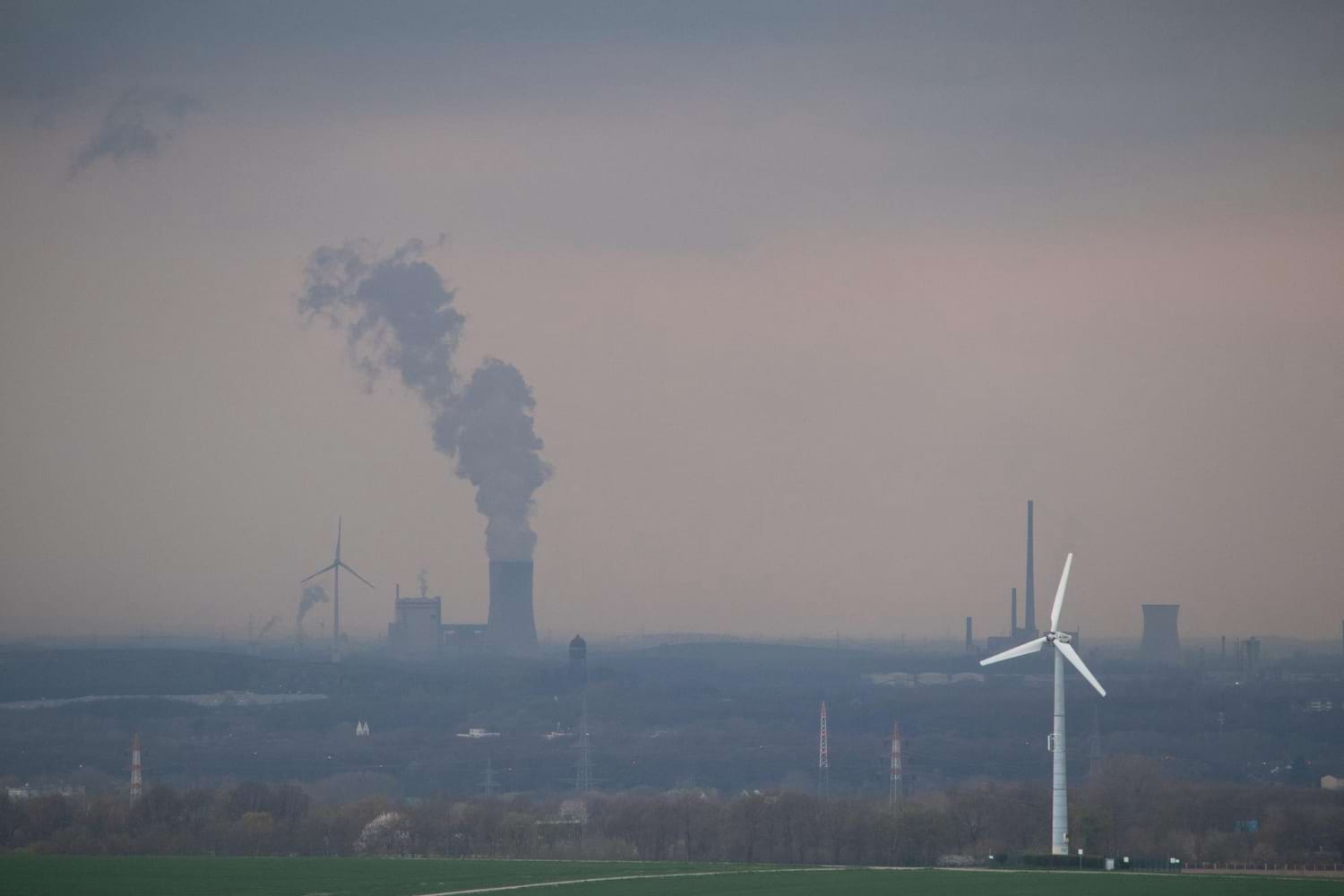
Beyond personal health benefits, an air pollution map contributes to broader environmental protection efforts. By identifying pollution hotspots, policymakers can implement stricter regulations on industries, promote cleaner energy sources, and encourage public transportation or green commuting methods. Moreover, these maps play a critical role in tracking progress toward sustainability goals, such as reducing carbon emissions and improving overall air quality.
Environmental organizations can also leverage air pollution data to advocate for stricter emission standards and increased green spaces in urban areas. By visualizing pollution trends, cities can adopt smarter urban planning strategies, such as expanding bike lanes, restricting high-emission vehicles, and introducing more efficient waste management systems.
The Future of Air Pollution Monitoring
As technology continues to advance, the capabilities of an air pollution map will evolve as well. The integration of Internet of Things (IoT) sensors, improved satellite imaging, and real-time data analytics will further enhance the accuracy and accessibility of air quality monitoring.
Governments and private companies are also investing in innovative solutions, such as smart city infrastructure and AI-driven environmental monitoring systems. The development of wearable air quality sensors, for example, could provide individuals with hyper-local pollution readings, allowing them to adjust their behavior in real time.
The significance of an air pollution map cannot be overstated in today’s world. By offering real-time insights, tracking pollution trends, and aiding in environmental and public health strategies, these maps serve as essential tools in the fight against air pollution. As technology continues to advance, their accuracy and effectiveness will only improve, making them even more indispensable in creating cleaner and healthier environments.
Author Profile

Latest entries
 BusinessDecember 18, 2025Advanced Transformation Through advanced VR learning systems
 ShoppingDecember 17, 2025Ideální dárek pro každou příležitost – dárkový poukaz vivantis
 SportsNovember 18, 2025CRACK Reloaded Pre-Workout – A New Level of Controlled Training Intensity
 BusinessSeptember 25, 2025Highest Security Standards with a banking eKYC platform